

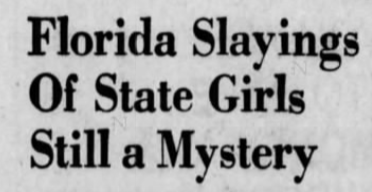
Two New Jersey sisters with ties to Scranton were last seen alive in Key West and found murdered the next day in Key Largo, Florida, in May 1973. Their deaths shocked communities from the Keys to their hometown of Camden, New Jersey, and in Scranton, where they had several relatives. Still, no one was ever convicted. Fifty-two years later, the murders of the Jenkins sisters remain an unsolved crime.
Case at a Glance
- Victims: Maggie and Mary Kay Jenkins
- Crime: Double homicide
- Location: Key Largo, Florida
- Date of Murder: May 3, 1973
- Date Discovered: May 4, 1973
- Cause of Death: Gunshot
- Last Seen Alive: Royal Castle Restaurant, Stock Island
- Primary Theory: Investigators explored both acquaintance and opportunistic offender theories
- Known Suspects: Multiple persons of interest were investigated and cleared
- Arrests Made: None
- Case Status: Unsolved
- Key Unanswered Question: Were the murders a targeted act by someone the sisters knew, or a crime of opportunity later obscured by rumor and weak evidence?
Ties to Scranton
While the crime did not happen in Scranton, there are plenty of ties to the area. The girls’ father, Thomas Jenkins, was born in 1919 and raised in the city. It was there in 1944 when he married his first wife. The two divorced just two short years later, in 1946. Thomas’s father passed away later that same year, and then his mother passed away in October 1948. After losing both parents, he moved out of Scranton – leaving behind his three sisters and four brothers.
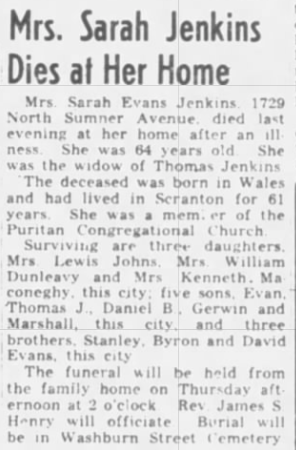
October 18, 1948
The best I can tell, Thomas was single with no children when he remarried in July 1954 in Camden, New Jersey. His new wife, Marguerite, had two children from a previous marriage, Marcella, about nine at the time of the marriage, and James, about six.
Together, Thomas and Marguerite started a new family. First came Sarah (1954), then Marguerite (1955), then finally twins Mary Kay and Thomas Jr. (1956).
Marguerite “Maggie” Jenkins and her younger sister, Mary Catherine “Mary Kay” Jenkins, were just infants when they moved to Scranton to live with separate aunts and uncles after their parents separated. Maggie was raised by William and Ann Dunleavy, while Mary Kay was raised by Lewis and Margaret Johns. Both of the aunts were Thomas’ sisters.
While the girls were still in Scranton, Thomas and his wife suffered some heartbreak early on. Their daughter, Marcella Toomey-Jenkins, died as a passenger in an automobile accident in 1962 while on a blind date. She was just 16 years old – even though some records showed her to be older.
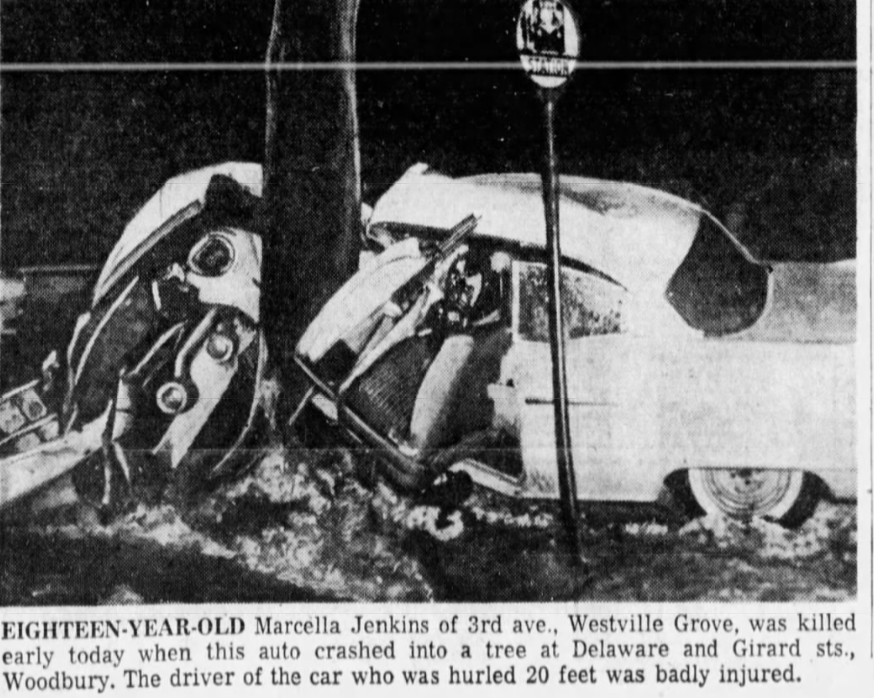
February 10, 1962
It was reported that in 1971, Maggie and Mary Kay had dropped out of North Scranton High School by the 10th grade. They then moved back to New Jersey to be with their father. Neither was believed to have had a job at the time they left for Florida, but they both worked at Superior Record Company for a while – enough to allow them to save money for their trip.
April 26, 1973
The two left their home in New Jersey, apparently without their father’s knowledge, on April 26, 1973. It was believed they took a bus to St. Petersburg, Florida, then hitchhiked to Key West to visit with some friends who had planned to be there for vacation.
The girls stayed at a motel on Simonton St, and the four boys, whom they knew from NJ, were staying in an apartment on Duck Ave, presumably with another friend and his wife.
After spending a week partying in the small town, they planned to hitchhike back to New Jersey.
Hitchhiking in the 1970s
Hitchhiking has been around since the beginning of time, but the automobile brought it to the mainstream. During the First World War, service members would hitch a ride to and from their camps. And for those giving the servicemen a lift, it was considered a patriotic duty.
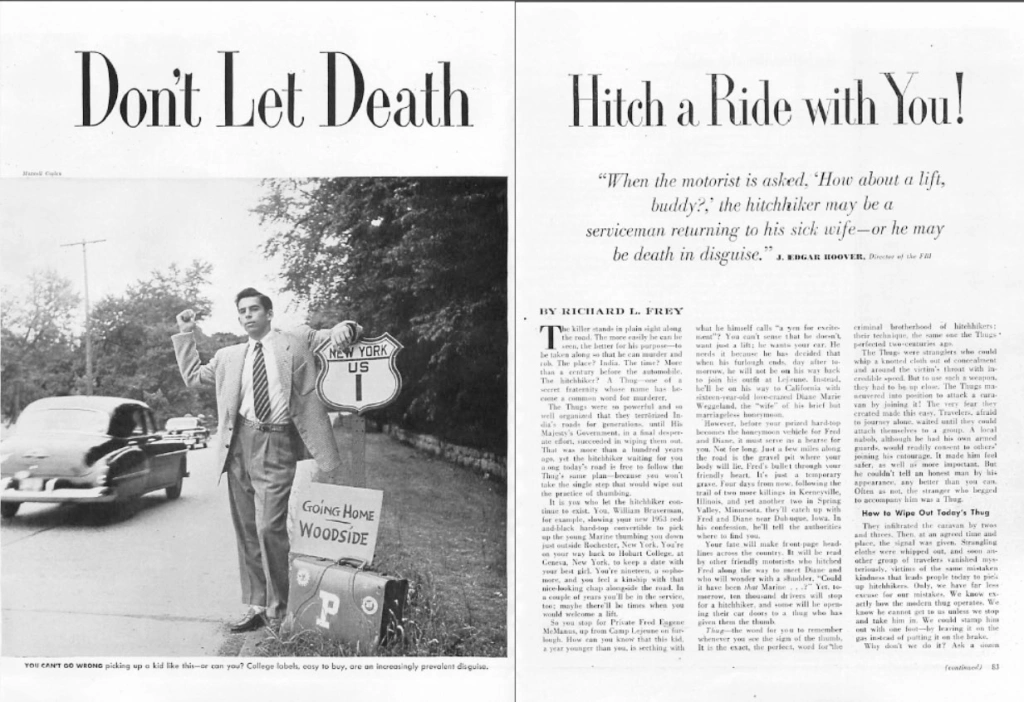
Things changed dramatically before 1953. That’s when FBI Chief J. Edgar Hoover was quoted in an article in Cosmopolitan Magazine titled, “Don’t Let Death Hitch a Ride with You!” Hoover’s quote was prominently displayed in the article.
“When a motorist is asked, ‘How about a lift, buddy?,’ the hitchhiker may be a serviceman returning to his sick wife–or he may be death in disguise.” – FBI Director, J. Edgar Hoover
This was even before Eisenhower’s Federal Aid Highway Act of 1956, which dramatically expanded our nation’s interstate highway system.
Serial Killers of the Time
Ted Bundy, John Wayne Gacy, and Jeffrey Dahmer were some of the notable killers during the 1970s and 80s. Still, there were dozens of other deranged individuals who were classified as “serial killers” who were also active during that time, including two Florida-based killers.
Eddie Mosley, of Fort Lauderdale, was convicted of killing eight women and was a person of interest in 40+ other rapes and murders from Nov 1971 through July 1973, and Gerard Schaefer, of Port St Lucie, who was convicted of murdering two young girls in 1972 and was a person of interest in several other cases.
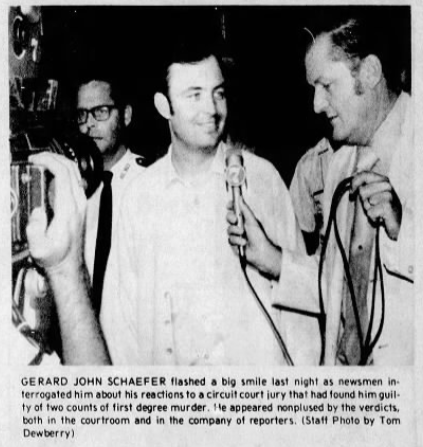
September 28, 1973
Investigators theorized about a possible connection to a serial killer, but none could be found.
Bodies Discovered
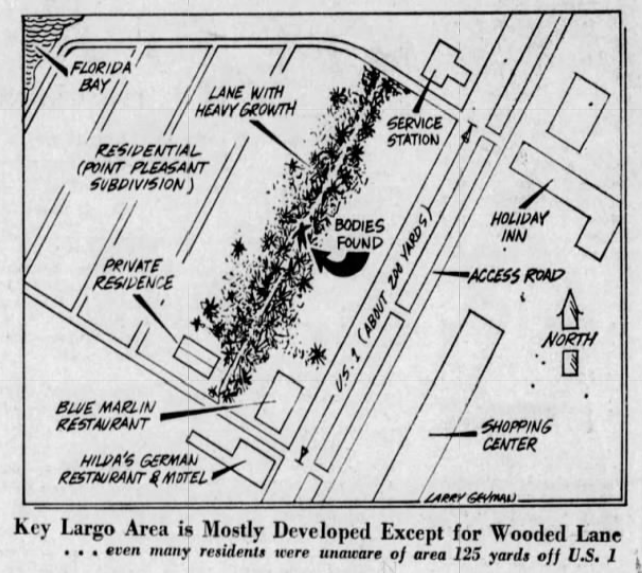
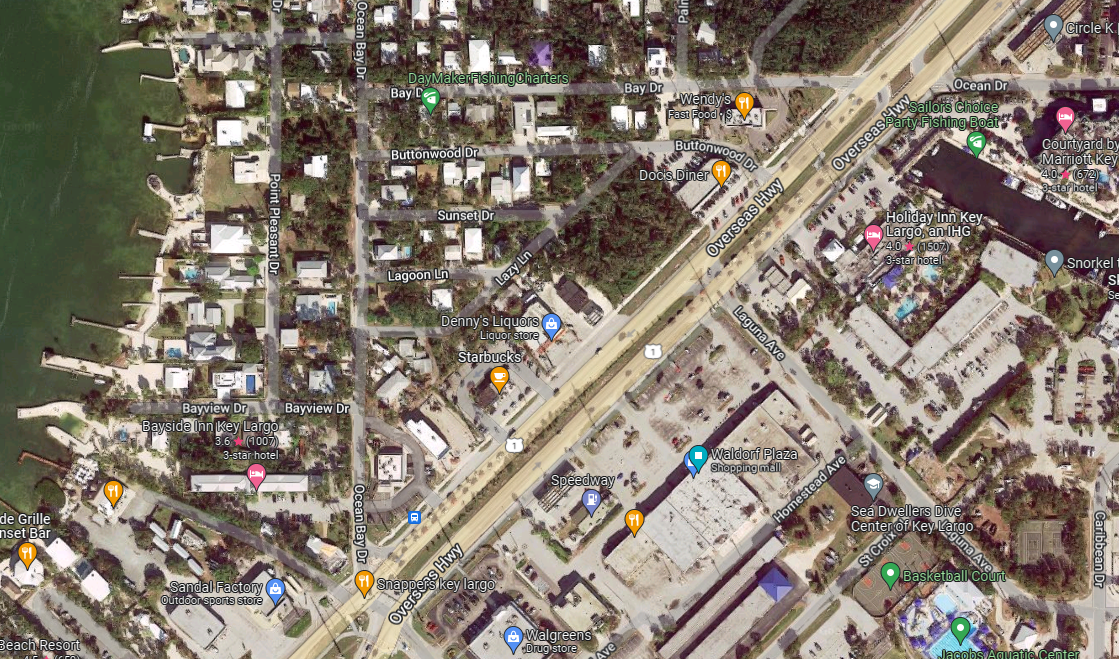
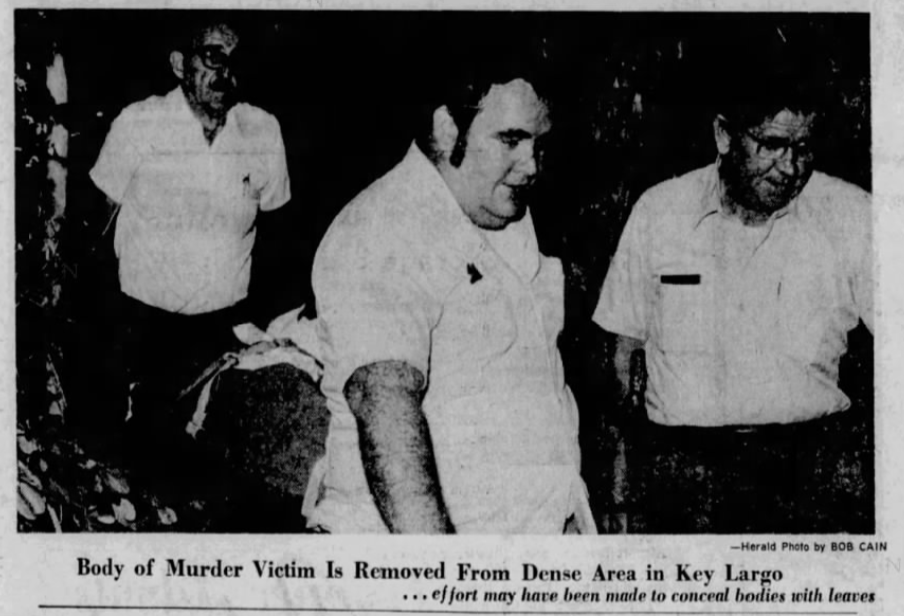
On May 4, 1973, at 6:30pm, the bodies of Maggie and Mary Kay were located in some dense foliage just 100 yards from the well-traveled US 1 and across from busy Waldorf Plaza in Key Largo.
May 5, 1973
Not far from where the bodies were discovered
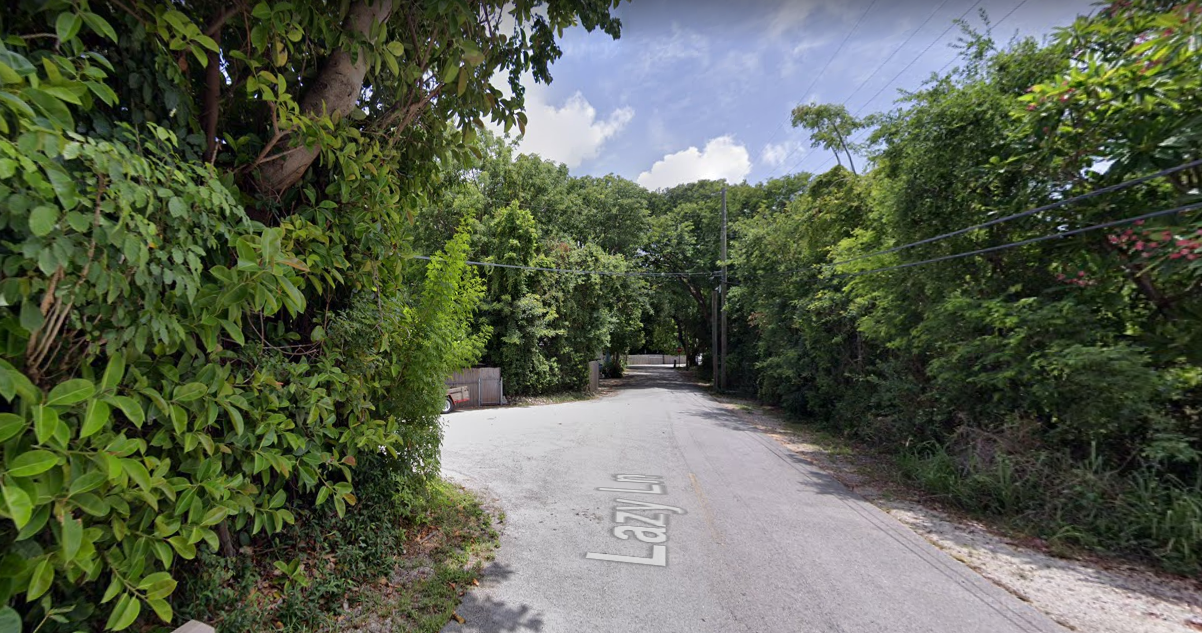
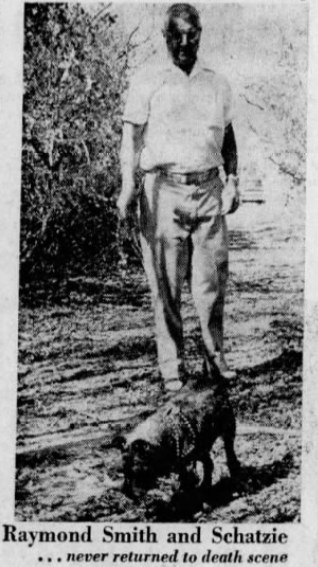
Raymond D. Smith was out walking his dog early in the evening when his schnauzer took off up a path and started barking furiously.
May 5, 1974
Raymond caught up and was surprised at what the pup had found. Two girls lying close together, perpendicular to each other. One naked, the other with her halter top displaced, but with her jeans still on. Both with gunshot wounds.
The Investigation Begins
Police believe the two were murdered elsewhere, and their bodies were dragged to this location since it would be difficult to get a car through the tight area that was described as a lane or path with heavy growth.
Officials speculated that the suspect was familiar with the area since it was so difficult to access. That said, they also agreed that the suspect might have just stumbled upon the secluded area.
May 5, 1973
Friends Come Forward
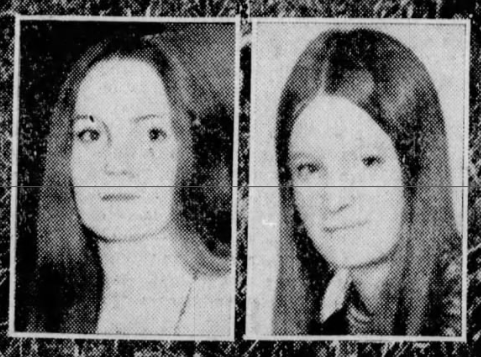
After seeing the reports of two unidentified girls who had been murdered, the four young men who were with the girls during the week contacted authorities to see if there was a connection. Police asked them to identify the bodies, and they confirmed that they were believed to be the two Jenkins sisters.
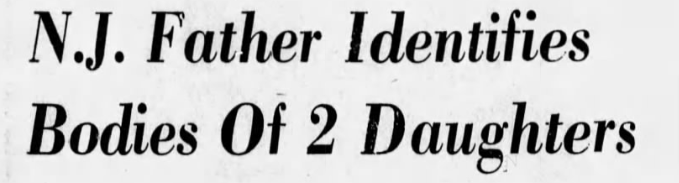
Police then contacted their father, Thomas Jenkins, and asked that he come to Florida to identify the bodies.
By Sunday, May 6, Thomas was in Florida and positively identified his daughters.
May 7, 1973
Autopsy Results
Days later, investigators were still without a suspect. An autopsy revealed that the two women had been involved in “sexual relations” shortly before their deaths, but it could not be confirmed if it was consensual or forced.
Maggie had been shot twice and Mary Kay four times – both victims of a small-caliber handgun. The medical examiner also reported that there was asphalt embedded in Maggie’s forehead and breasts. He stated that these injuries are consistent with being thrown from a moving vehicle.
He also estimated the death to be after midnight on Wednesday, May 3, 1973, 18-1/2 hours before their bodies were found.
Miami Herald
May 5, 1974
Tracing Their Final Days
It was later learned that the girls had spent four days in the motel on Simonton St, then two days with the boys at their apartment.
On Tuesday, May 1, they called their father asking for money for their return trip. Thomas wired $100 the same day.

May 10, 1973
That same evening, there was a farewell party at the apartment where the four New Jersey boys were staying, along with a fifth man and his wife.
Police confirmed that the sisters left at 2 am on Wednesday, carrying their purses and three suitcases. They also confirmed that the others did not leave the house. At the time, the girls said they were going to walk to US 1 and start hitchhiking home. Why they would leave at 2am or why the others would let them leave at that hour is unknown.
The Marine
While police were interrogating the boys at the sheriff’s station, a Marine Corps private who was in Key West on temporary duty appeared at the office and told investigators that he was with two girls on Wednesday afternoon. He claims he met them at about 4pm in Key West’s famed Mallory Square, and he spent the next five hours hanging out with them. The Marine said the girls only had their purses with them – no luggage. He was shown photos of the girls and confirmed he was with them.
He said the three of them went to the Royal Castle, a local restaurant chain, in Key West for burgers at about 9:00pm. From there, the Marine said the sisters told him they were going to start hitchhiking north, so he took them to the Royal Castle on Stock Island and dropped them off at around 9pm. He told investigators that the girls had no luggage and showed no concern about having lost it before their trip home.
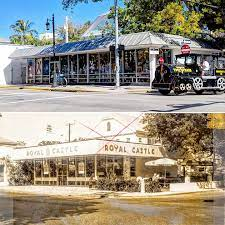
Then and Now
Police cleared the Marine, saying his friends and his landlady confirmed that he was in Key West after dropping off the girls. Others claimed to have seen the two girls hitchhiking at around 9:30pm on Wednesday.
The Search for Clues
Now, police are put to work – looking for any clues in the stretch from Stock Island, where the girls were last seen alive, to the Waldorf Plaza in Key Largo, where they were found. A stretch of 95 miles!
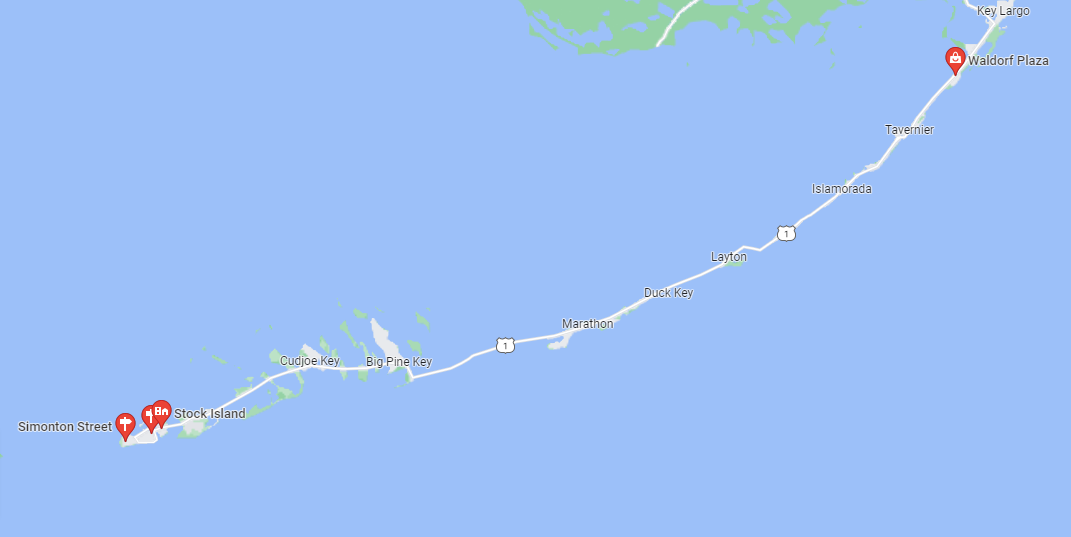
They “searched every foot of US 1,” looking for where Maggie might have been thrown from the vehicle. They were also looking for their purses, money, luggage, Maggie’s missing clothes, and any shell casings.
Not only did investigators search along US 1, but also every side street that led to a beach. Still, they came up empty.
Other officers circulated pictures of the girls to every home or business along the route to see if anyone had seen the girls or had heard shots. Again, nothing.
A Break?
Hopes were raised later in the month when, on May 24, a witness came forward. Thirty-five-year-old Jettie Mae Mobley had met with investigators and said she saw two men kill the girls. Her story warranted that she be held in protective custody for her own protection, and the State Attorney filed first-degree murder charges against two unknown men referred to as “John Doe”. At the time, investigators were confident that they would have the case wrapped up within a week or two.
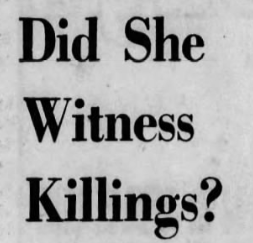
May 25, 1973
Hope turned to despair when it was determined that Jettie Mae was not credible and that she was the victim of bad dreams.
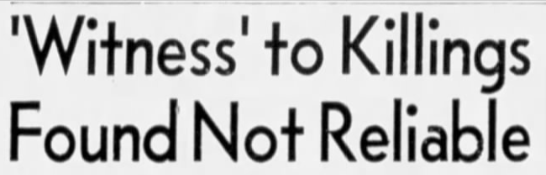
June 7, 1973
Detective Harry Sawyer
One of the first detectives on the case, Harry Sawyer, spent three months living in a motel in town while investigating and interviewing 30 different potential suspects. Yet everyone was cleared.
Key Largo Violence
Coincidentally, there were five murders in Key Largo in eleven weeks, starting with the Jenkins sisters on May 3. Then, on June 6th, two brothers, Ronald and William Tuttle, moved from Connecticut to Miami. And finally, Thomas Franze on July 14. None was said to be connected.
Case Goes Cold
Over time, the case fizzled out and turned cold. Advances in DNA technology gave hope again in 2007 when a man from St. Louis was asked to provide a DNA sample. He volunteered and was cleared. Other serial killers of the time were also cleared using DNA.
September 19, 1973
More Tragedy
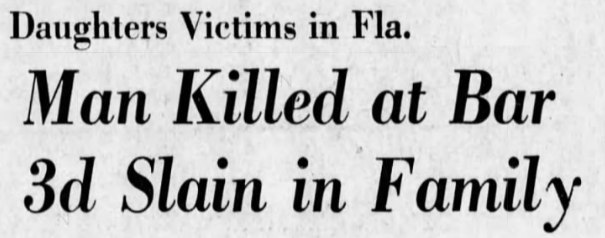
Sadly, Thomas Jenkins would also tragically be murdered less than a year after his daughters’ deaths. He was shot while in his home above Marcella’s, a bar named after the step-daughter he lost in an automobile accident a decade earlier.
April 1, 1974
Unlike his daughter’s killer, Thomas’ killer was held accountable for his actions and received life in prison.

February 1, 1975
No Justice for Maggie and Mary Kay
As for Maggie and Mary Kay, the person responsible has not yet been brought to justice. There are still so many questions. Did they ever check the Marine’s DNA? Who was the man from St. Louis? Was he the Marine? Did the suitcases ever show up? Was it the work of a serial killer, or a crime of opportunity? Why was Jettie Mae put into police custody? Who did she potentially identify? Was it a high-powered, influential person?
I’m left to wonder if any DNA is available to be sent to Parabon NanoLabs or others like them, where Genetic Genealogists can work their magic to find the killer. Even though the case is over 52 years old, the killer may still be alive and living free. And worse, he may have repeated his heinous acts on others. There’s never a wrong time to bring a killer to justice. For the girls’ sake, I hope investigators never give up the fight.
 Exploring historic crimes in NEPA
Leave a comment